
Vizemeister im Futsal der Berliner Schulen 2023
Auch in diesem Schuljahr fand wieder die Hallenrunde in der Wettkampfklasse III (Jahrgänge 2009-2011) statt…

Auch in diesem Schuljahr fand wieder die Hallenrunde in der Wettkampfklasse III (Jahrgänge 2009-2011) statt…

Die Schülerinnen der HBO vom Sportprofil Tanz haben am 25.03.2023 an dem 15. Youth Dance Contest in der Kategorie Hip-Hop…
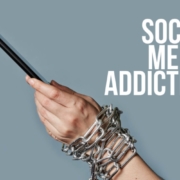
On average, teenagers spend about 40 hours each week on their smartphones. A study by “ die Zeit” shows that the time teenagers spend on their phones keeps increasing.
Social media is getting more and more a part of our lives. It makes things as communicating or staying in contact with old friends much easier. Everything and everybody is just one click “away“.
Getting addicted is a high risk lots of teenagers take. A study from DAK shows that around 100.000 teenagers between the age of 12-17 are addicted to social media. Most social media apps are designed in a way that makes you use them as often as possible. They send pop-up messages or use striking colors. They make the user think to miss something when they are not online and works like a drug in the brain.
I am going to show you some ways that can help to overcome using social media too often. But if you are realizing that it is a real addiction, you should get professional help. A social media addiction is a serious addiction. The tips are from different articles that got published at “Focus Online” and “Business Insider”.
When you notice that you spend too much time online, you could start by giving yourself a time limit for some apps. In this way, you don’t have to stop using social media completely because it also has some positive aspects, but you have a limit. While using social media, you often don’t realize that you spend so much valuable time on unnecessary things.
Another thing you can do is to switch off the pop-up messages, so you don’t get enticed to use the app in a moment you maybe didn’t even think of using it. You also don’t have to be available all the time. It is normal to not answer a message if you are out with friends or doing homework.
You should also set yourself a goal each day that has nothing to do with social media, but for example is good for your mental health or is something you like. This could be a 30-minute walk or baking something. Because of social media, we often tend to neglect things that are good for us.
Another thing you should stop doing is using social media as a reward. Things like „I am doing my homework for 30 minutes and then using social media for 30 minutes“ reinforces the positive affirmation social media already has when you are addicted. Instead, you should reward yourself with something good for your mental health.
You should always remember that you don’t miss anything if you aren’t online. Your real life is much more important than most of the things you see on social media.
Nevertheless, social media isn’t all bad, it also has positive sides and can be very helpful. We just have to make sure social media doesn’t overtake our lives.
Text: anonymous, picture: Marco Verch
Im Durchschnitt verbringen Jugendliche etwa 40 Stunden pro Woche an ihren Handys. Eine Studie von ,,Die Zeit” zeigt, dass diese Zahl stetig steigt.
Soziale Medien werden immer mehr ein Teil unseres Lebens. Sie machen Dinge wie Kommunikation oder mit alten Freunden in Kontakt zu bleiben, deutlich leichter. In den sozialen Medien ist alles und jeder nur einen Klick entfernt. Dabei süchtig zu werden, ist ein hohes Risiko, das viele Jugendliche dafür in Kauf nehmen. Eine Studie der DAK zeigt, dass rund 100.000 Jugendliche im Alter zwischen 12-17 Jahren, nach sozialen Medien süchtig sind. Die meisten Social-Media-Apps sind so konzipiert, dass sie so oft wie möglich verwendet werden. Sie senden Pop-up-Nachrichten oder verwenden auffällige Farben, um den Benutzer glauben zu lassen, etwas zu verpassen, wenn dieser nicht online ist. Dabei wirken sie wie eine Droge im Gehirn.
Ich werde dir einige Möglichkeiten aufzeigen, die helfen könnten, die zu häufige Nutzung sozialer Medien zu überwinden. Aber wenn du erkennst, dass es sich um eine echte Sucht handelt, solltest du dir professionelle Hilfe holen. Eine Social-Media-Sucht ist eine ernstzunehmende Sucht. Die Tipps stammen aus verschiedenen Artikeln, die bei „Focus Online“ und „Business Insider“ veröffentlicht wurden.
Wenn du bemerkst, dass du zu viel Zeit online verbringst, könntest du damit beginnen, für einige Apps ein Zeitlimit zu setzen. Auf diese Weise musst du die Nutzung von sozialen Medien nicht komplett einstellen, da sie auch einige positive Aspekte haben, aber du hast eine Grenze. Bei der Nutzung von sozialen Medien merkt man oft nicht, dass man so viel wertvolle Zeit mit unnötigen Dingen verbringt.
Eine andere Sache, die du tun könntest, ist die Pop-up-Nachrichten auszuschalten, damit du nicht dazu verleitet wirst, die App in einem Moment zu verwenden, in dem du vielleicht nicht einmal daran gedacht hast, sie zu verwenden. Du musst auch nicht ständig erreichbar sein. Es ist normal, eine Nachricht nicht zu beantworten, wenn du mit Freunden unterwegs bist oder Hausaufgaben machst.
Außerdem solltest du dir jeden Tag ein Ziel setzen, das nichts mit den sozialen Medien zu tun hat, aber zum Beispiel deiner mentalen Gesundheit guttut oder dir einfach gefällt. Das kann ein 30-minütiger Spaziergang sein oder etwas zu backen. Aufgrund von sozialen Medien neigen wir oft dazu, Dinge zu vernachlässigen, die uns guttun.
Du solltest immer daran denken, dass du nichts verpasst, wenn du nicht online bist. Dein wirkliches Leben ist viel wichtiger als die meisten Dinge, die du in den sozialen Medien siehst. Trotzdem haben die sozialen Medien nicht nur schlechte Seiten. Sie haben auch positive Seiten und können sehr hilfreich sein. Wir müssen nur sicherstellen, dass die sozialen Medien unser Leben nicht übernehmen.
Text: anonym, Bild: Marco Verch
More than 80 million people in Germany use social media, the most active users are aged 18- 29, and while the internet started out as a tool to help people to stay in contact with friends and family, it lately has become an increasing activity of scrawling and checking through our phones to get the latest news via social media.
Although most people that use social media use it in a non-problematic way, there is a small number of users that becomes addicted to social networks or their smartphones.
A study published by the “Survey” has shown that screentime among teenagers has increased by 17% since 2019.
But what makes it so attractive for us to be constantly online?
That can be easily answered: When we use social media, our brain can set free dopamine, a “feel-good” chemical that is released when the brain’s reward system is triggered.
Dopamine is the same chemical our brain releases when we gamble, eat, smoke, or use our smartphones.
The usual “type” of a social media addict is a young person aged 16 – 24. There are different reasons for a person to become social – media addicted. Some of them are low self-esteem, personal dissatisfaction, or a lack of affection.
Addictive use of social media has consequences much like other substance use disorders. The engagement in social media will lead to positive mood swings. The addicted user will feel validated due to likes or positive comments under their post. Over time that will lead to the user craving that validation, or rather the dopamine that is set free by getting the so called “likes”. The user starts to develop addictive behaviour like feeling bad when they don’t get the wanted likes or retweets, feeling down when there is no access to the internet, getting stressed when their smartphone isn’t available, or needing to check their socials first thing in the morning.
This addictive behaviour will lead to a lack of productivity or unhealthy social relationships.
People that are addicted to social media also have a much higher risk of becoming depressed than not addicted people.
In the day-to-day life, the addicted user will be overly concerned with the thought to miss out on something. So they will constantly log on to or use social media. They devote so much time and effort to social media that it controls them, which leads to them impairing other important life areas like school or work.
By anonymous, picture: Marco Verch
Mehr als 80 Millionen Menschen in Deutschland nutzen soziale Medien. Die meisten von ihnen sind zwischen 18 und 29 Jahre alt, und während man das Internet zuerst nutzte, um Menschen mit ihren Freunden und ihrer Familie zu verbinden, ist es in der letzten Zeit immer mehr zu einem Hobby geworden, bei dem wir durch unsere Smartphone scrollen, um die neuesten Nachrichten über soziale Medien zu erhalten.
Obwohl die meisten Menschen die sozialen Medien auf unproblematische Art und Weise nutzen, gibt es eine kleine Anzahl von Nutzern, die nach sozialen Netzwerken oder ihren Smartphones süchtig werden.
Eine von „Survey“ veröffentlichte Studie hat gezeigt, dass die Bildschirmzeit bei Teenagern seit 2019 um 17 % gestiegen ist.
Aber was macht es für uns so attraktiv, ständig online zu sein?
Das ist leicht zu beantworten: Wenn wir soziale Medien nutzen, kann unser Gehirn Dopamin freisetzen, einen „Wohlfühl“- Botenstoff, welcher freigesetzt wird, wenn das Belohnungssystem des Gehirns aktiv wird. Dopamin ist der gleiche Botenstoff, den unser Gehirn freisetzt, wenn wir spielen, essen, rauchen oder unsere Smartphones benutzen.
Der durchschnittliche „Typ“ eines Social-Media-Süchtigen ist ein junger Mensch im Alter von 16–24 Jahren. Die Gründe für eine Social-Media-Sucht sind unterschiedlich. Sie kann in den meisten Fällen auf ein geringes Selbstwertgefühl, persönliche Unzufriedenheit oder mangelnde Zuneigung zurückzuführen sein.
Eine Social-Media-Sucht hat ähnliche Folgen wie andere Suchterkrankungen. Die Nutzung von sozialen Medien führt zu positiven Stimmungsschwankungen. Der süchtige Nutzer fühlt sich durch Likes oder positive Kommentare unter seinem Beitrag bestätigt. Im Laufe der Zeit wird das dazu führen, dass sich der Benutzer nach dieser Bestätigung sehnt, oder eher nach dem Dopamin, das durch das Erhalten der sogenannten „Likes“ freigesetzt wird. Der abhängige Nutzer beginnt ein Suchtverhalten zu entwickeln, wie z. B. sich schlecht zu fühlen, wenn er nicht die gewünschten Likes oder Retweets bekommt, sich niedergeschlagen fühlen, wenn er keinen Zugang zum Internet hat, gestresst sein, wenn sein Smartphone nicht verfügbar ist, oder die Notwendigkeit zu verspüren, direkt nach dem Aufstehen auf sein Handy und in seine sozialen Netzwerke zu schauen.
Das Suchtverhalten führt zu einem Mangel an Produktivität oder ungesunden sozialen Beziehungen. Menschen, die von sozialen Medien abhängig sind, haben auch ein viel höheres Risiko, depressiv zu werden, als nicht süchtige Menschen.
Im täglichen Leben sind die abhängigen Nutzer übermäßig besorgt, etwas zu verpassen. Sie loggen sich also ständig ein oder nutzen soziale Medien. Sie widmen den sozialen Medien so viel Zeit und Mühe, dass sie sie kontrollieren, was dazu führt, dass andere wichtige Lebensbereiche wie Schule oder Arbeit beeinträchtigt werden.
Von: anonym, Bild: Marco Verch
Today, children are using media to easily communicate with each other, amusing themselves or to have access to different sources of information. So, everything is cool, right? NOT EXACTLY!
CJ Dawley committed suicide at the age of 17 due to social media. “He stayed up until 3 a.m on Instagram messaging with others, sometimes swapping nude photos”, his mother said. He became sleep-deprived and obsessed with his body image. He was so addicted to it, that even the last moment of his life was about posting on social media.
On January 4th 2015, CJ retreated into his room. He sent a text message to his best friend and posted an update on his Facebook page: “Who turned out the light?”. Then he held a 22-caliber rifle in one hand, his smartphone in the other and fatally shot himself.
His parents never knew that he was at risk of committing suicide because of social media. They filed lawsuits against some of the big social media companies like Facebook and Instagram. The story of CJ Dawley was published on the CNN website.
But still, that is only one example of many victims of social media.
Dealing with the dark side of social media is not a piece of cake! Letting a child do whatever it wants just because the parents have many irons at once is no option. In fact, all parents must become aware of what their children do with media.
Social media and its importance
Electronic media play an important role in our lives although they are mainly a source of entertainment for most people.
These media usually help people to understand the world better, but they must be aware of the fact that media could also destroy their well-being.
The dangers of electronic media are particularly high for young children. As the previous example shows, many parents are uneasy about the media’s impact on their children. Often they do not know who their children are in contact with, what sort of texts they read, and if they are falling prey to temptations such as online gambling and pornography.
“What is undeniably true is that the evidence suggests that rates of depression, self-harm and anxiety among young people are at unprecedented levels.” an expert said in an article by Tracy McVeigh published by the Guardian’s website.
The ubiquity of the internet and social media, with its dark underbelly of hard-core pornography, body shaming and cyberbullying, is encroaching on their wellbeing, while a relentless focus on academic high-achieving is turning up the pressure in the classroom.
Youth, traditionally thought of as the most enviable time of life, can now look like a deeply challenging and sometimes unpleasant time of life.
A study by the American Academy of Child & Adolescent Psychiatry showed that more than 6500 12-to-15-year-olds in the US found that those who spent more than three hours a day using social media might be at heightened risk for mental health problems.
As a consequence, they interact less with their family and friends, and children have problems to concentrate over longer periods of time.
But this was only for the teens who spend more than 3 hours online. “The real research”, an online survey app, launched a survey on teenagers using social media. This survey asks how many social media accounts teenagers have and which are their favorite social media platforms. The survey on teenagers‘ use of social media asks the teens who must estimate the time, ‚how much time do teenagers spend on social media?’
In response, 38.16% feel teenagers spend more than 8 hours, and 13.39% responded by saying 7 to 8 hours. Meanwhile, 11.59% believe teens get 5 to 6 hours of social media time. That way, the won’t be able to concentrate over longer periods of time.
How to save children from the negative effects of social media
Taking the devices away from the children is not a solution. Kids must have serious conversations with their parents or with a trusted adult so they understand online risks.
Only talk to people you know and ensure that your online accounts are private, block people you don’t know or trust, and trust your instinct—if something makes you feel uncomfortable, tell a trusted adult about it.
It is also a responsibility of the governments and countries to contribute to teenagers having a bright future. Take this for instance: A small charity in London called “Then and Now” supports thousands of young people that suffered from depression, anxiety, self-harm, drug and alcohol misuse, eating disorders, psychosis etc.
On the whole, we must not forget to take care of the new generation. Young people have a great energy to change the world for the better and it is not right to let them suffer from their social media use.
By Hussain Setammuhamadalshamre
Heute nutzen Kinder und Jugendliche Medien, um leicht miteinander zu kommunizieren, sich zu unterhalten oder auf verschiedene Informationsquellen zuzugreifen. Also ist alles großartig, nicht wahr? NICHT SO GANZ!
CJ Dawley beging im Alter von 17 Jahren am 4.1.2015 wegen sozialer Medien Selbstmord. ,,Er blieb bis 3 Uhr morgens auf Instagram und tauschte manchmal Nacktfotos aus“, sagte seine Mutter. Er bekam Schlafstörungen und war von seinem Körperbild besessen. Er war danach so süchtig, dass es bis zum letzten Moment seines Lebens darum ging, in den sozialen Medien zu posten.
Seine Eltern wussten nicht, dass er suizidgefährdet war. Sie haben Klagen gegen einige große Social-Media-Unternehmen wie Facebook und Instagram eingereicht.
Es ist daher sehr wichtig, dass Eltern wissen, womit die Kinder und die Jugendlichen in den Medien beschäftigt sind.
Oft wissen die Eltern und Erziehungsberechtigten nicht, mit wem ihre Kinder sich in Verbindung setzen, welche Texte sie lesen und ob sie Versuchungen bei Online-Glücksspiel und Pornografie zum Opfer fallen.
Eine Studie von ,,The American Academy of Child & Adolescent Psychiatry“ zeigte, dass mehr als 6.500 Kinder im Alter zwischen 12 und 15 Jahren mehr als drei Stunden am Tag mit Social Media verbringen. Es kann bei diesen Jugendlichen zu einem erhöhten Risiko für psychische Probleme kommen.
Eine andere Studie von ,,The Real Research“ zeigte, dass 38,16% der Jugendlichen mehr als 8 Stunden in sozialen Medien verbringen, und 13,39% 7-8 Stunden.
Wie kann man Kinder vor den negativen Auswirkungen der sozialen Medien bewahren?
Sprich nur mit Personen, die du kennst und stell sicher, dass deine Onlineaccounts privat sind. Blockiere Personen, die du nicht kennst oder denen du nicht vertraust. Wenn dir etwas unangenehm ist, sag es einem vertrauenswürdigen Erwachsenen.
Außerdem haben Regierungen und Länder auch die Verantwortung, zu besseren Zukunftsaussichten von Jugendlichen beizutragen, z.B. durch Vereine wie den Wohltätigkeitsverein ,,Then and Now“ in Großbritannien.
Von Hussain Setammuhamadalshamre

As a former bullying victim, I always thought that was my fault that I got bullied and that what my bullies said was probably right, so I always blamed myself for what happened. But after some years I realised that it is never the victim’s fault, but something they cannot control. After that I always wondered, what could drive a person to bully. And with that I made it my mission to figure out the reasons why someone would bully another person.
So first of all, let´s establish what bullying is. Bullying is a behaviour that´s been historically linked to kids on the playground, but it can happen to anyone at any age everywhere. There is no direct definition of what bullying is since it has many shapes, but simplified by ´Ditch The Label´, it´s seen as unwanted behaviour from one person to another, designed to cause harm, hurt or distress.
Now we´ll go over to the main point of this article: What are the reasons for people to start bully others? One reason might be that they are insecure themselves and target something that is unique about their victim and with that create new insecurities for them, making the bully feel better about themselves. Another reason could be that the bully tries to gain a feeling of power, purpose and control over the victim. Perchance the bully wants to deflect negative attention from themselves on to somebody else to avoid it. In contrary to that, some might bully to gain attention, especially on social media nowadays, without putting in much effort.
On social media it´s even easier to bully others, because of the anonymity, so they think they can spread hate without real consequences. Additionally, another research by ´Ditch The Label´ shows that those who experienced bullying are twice as likely to bully others, they use this as a defence mechanism, because they think that they´ll become immune to bullying that way.
On a more psychological note, recent data from the website ´Ditch the Label´ shows that bullies are far more likely to have experienced stress and trauma, so they bully others as a coping mechanism for the trauma or to relief stress. That shows that some people simply don’t know how to respond to trauma or stress. Correspondingly the bully might have a difficult home life, maybe receive feelings of rejection from their parents or even come from a violent household, so they don’t know any better and so they start bullying. Moreover, people like that perhaps feel like their relationship with a person is not secure, so they maybe get pressured into bullying because the other person wants them to.
In the end, all of the mentioned reasons above are not an excuse for bullying. Yes, the bully might have a difficult life or perhaps has other issues, but that does not give them a reason to make other people´s lives miserable, too. If people that bully have real problems, then they should really rethink their ways and possibly seek help somewhere and if they bully just for fun, well that´s another issue that they should deal with.
By: anonymous, picture: Vania Barbara